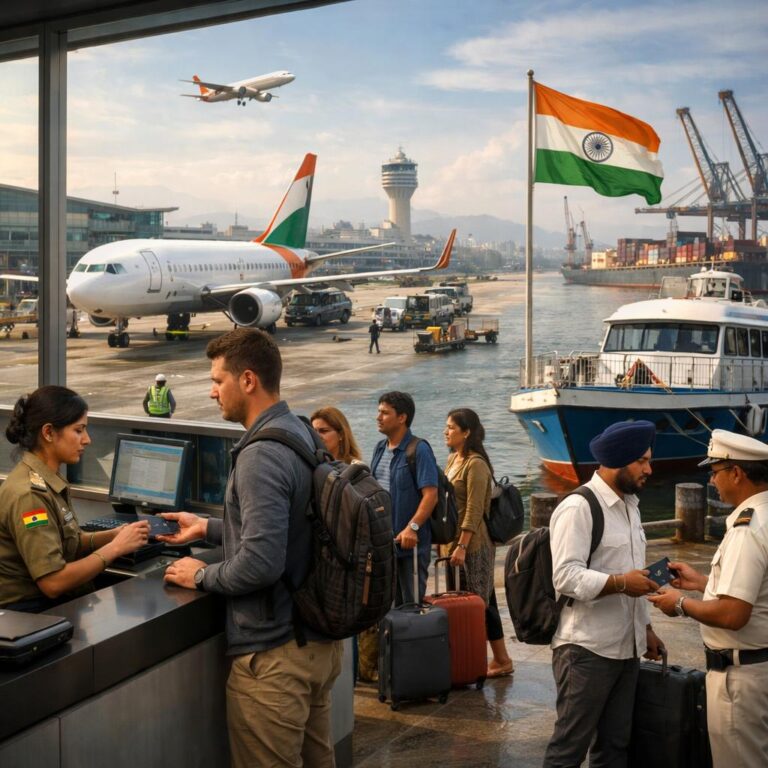

























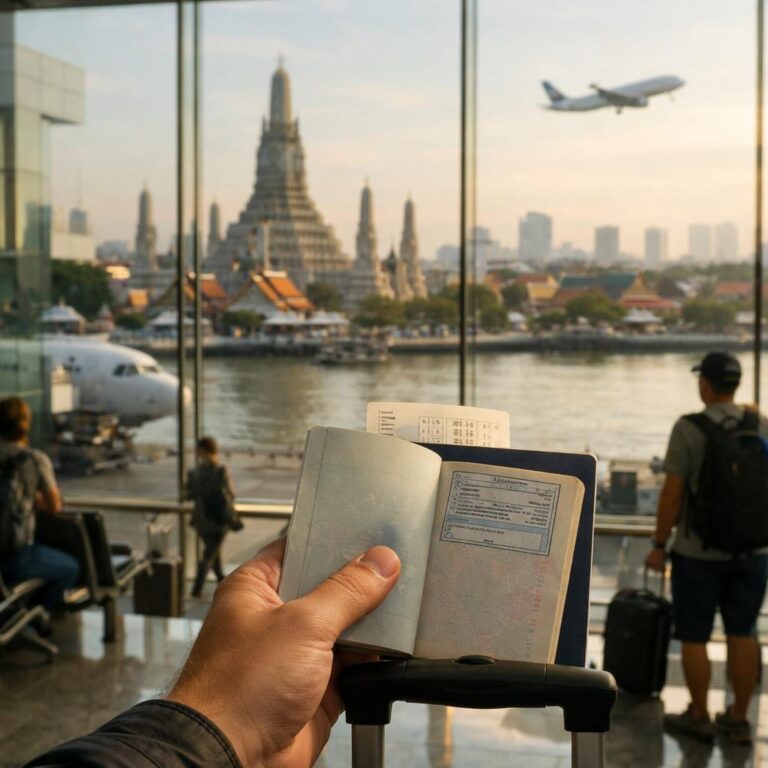
Transiting through Bangkok is a common experience for millions of international travelers each year. Suvarnabhumi and Don Mueang airports are major hubs connecting Asia, Europe, Australia, and beyond. If your journey includes a layover in Thailand, you may be wondering whether a transit visa is required. This 2026 update will help you understand the rules clearly so you can travel with confidence and avoid last-minute stress.
What Is a Transit Visa for Thailand?
A Thailand transit visa allows travelers of certain nationalities to pass through a Thai airport on their way to another destination. It is designed for passengers who are in transit for a limited period and who do not intend to stay in Thailand.
In many cases, travelers never need a transit visa at all. The key factors are your nationality, whether you exit the airport, and how long your layover lasts.
Do You Need a Transit Visa for a Layover in Bangkok?
You generally do not need a transit visa if all of the following apply:
• You remain in the international transit area of the airport
• Your onward flight departs within 12 hours
• You have a confirmed onward ticket
• You do not pass through Thai immigration
Passengers who meet these conditions can transit Bangkok smoothly without additional paperwork.
However, you may need a tourist visa if you plan to leave the airport, collect baggage, change airports, or stay overnight outside the terminal. Citizens of certain countries are also required to obtain a transit visa regardless of layover duration.
Who Should Check Transit Visa Requirements Carefully?
While many nationalities enjoy visa free transit, travelers from specific countries must apply for a Thai transit visa in advance. These rules can change, which is why checking updated guidance is essential.
For the most accurate and current policy, we recommend reviewing official information from the Thai Ministry of Foreign Affairs.
Long Layovers and Leaving the Airport
Many travelers with long layovers choose to explore Bangkok or rest at a nearby hotel. In these cases, you will be passing through immigration and a valid visa or entry permission is required.
Depending on your nationality, this may include visa exemption, visa on arrival, or an approved electronic visa. You can learn more about entry options in our dedicated page on the Thailand Tourist Visa.
Transit Visa vs Thailand eVisa
A common point of confusion is the difference between a transit visa and an eVisa. A transit visa is limited in scope and duration. A Thailand eVisa allows entry into the country for tourism or short stays.
In practice, many travelers find that applying for an eVisa provides greater flexibility, especially if there is any chance you may need to exit the airport. Our Thailand eVisa application service simplifies the process and ensures your documents are reviewed correctly before submission.
Our Advice for Stress Free Transit in 2026
If your layover is short and you remain airside, you are likely fine without a transit visa. If your plans are uncertain, applying in advance can prevent missed flights and entry problems.
As your knowledgeable travel companion, we always recommend confirming requirements early and choosing the option that gives you peace of mind. With digital applications and expert checks, traveling through Bangkok in 2026 can be smooth and worry free.
Ready to travel with confidence? Use eVisa Asia to check your eligibility and start your application today so you can focus on your journey, not the paperwork.